Forty-eight hours, nine prototypes
The company's first hackathon in about a decade, organised end to end: thirty-five colleagues, nine projects, two days in Berlin. Leadership that does not run along the reporting lines.
In December 2022 I organised the company’s first hackathon in about ten years, end to end, with one co-organiser. Thirty-five people. Nine projects. Forty-eight hours in Berlin. A panel to judge, management to sponsor it, and everything demoed at the end.
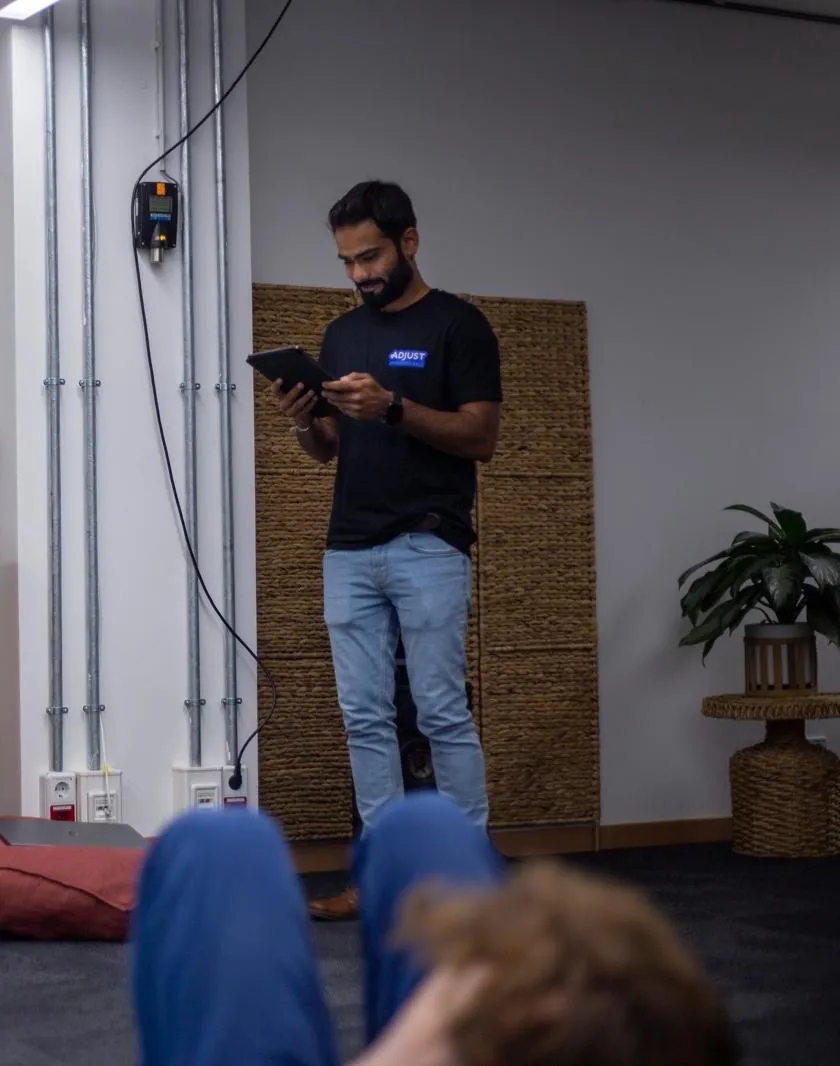
The numbers are the least interesting part. What I noticed, building one from nothing, is how much of a hackathon is a permission structure. People who would never propose a week on an idea will give it a weekend if someone has made the weekend legitimate: a date, a room, a rule that everything gets demoed, a panel that will take it seriously, and a manager who has visibly said yes. Almost all of the organising is manufacturing that legitimacy. The rest is logistics.
What it asks of the organiser
None of the people involved reported to me. That is the part I keep coming back to when I think about leadership outside a reporting line: you cannot assign anything, so you have to make the thing worth joining, and then get out of the way. Teams form around ideas rather than org charts, which is the whole point and also the thing that makes it fragile. A hackathon with no demo deadline is a meeting. A hackathon with a deadline and no sponsor is a risk nobody takes.
What it produced
Nine working prototypes in two days, from people who mostly spend their weeks on the same large system. Which ones became products is not mine to say here. The result I care about was the other one: a room of people who had just found out they could build something different, together, in a weekend. That belief survives the weekend.
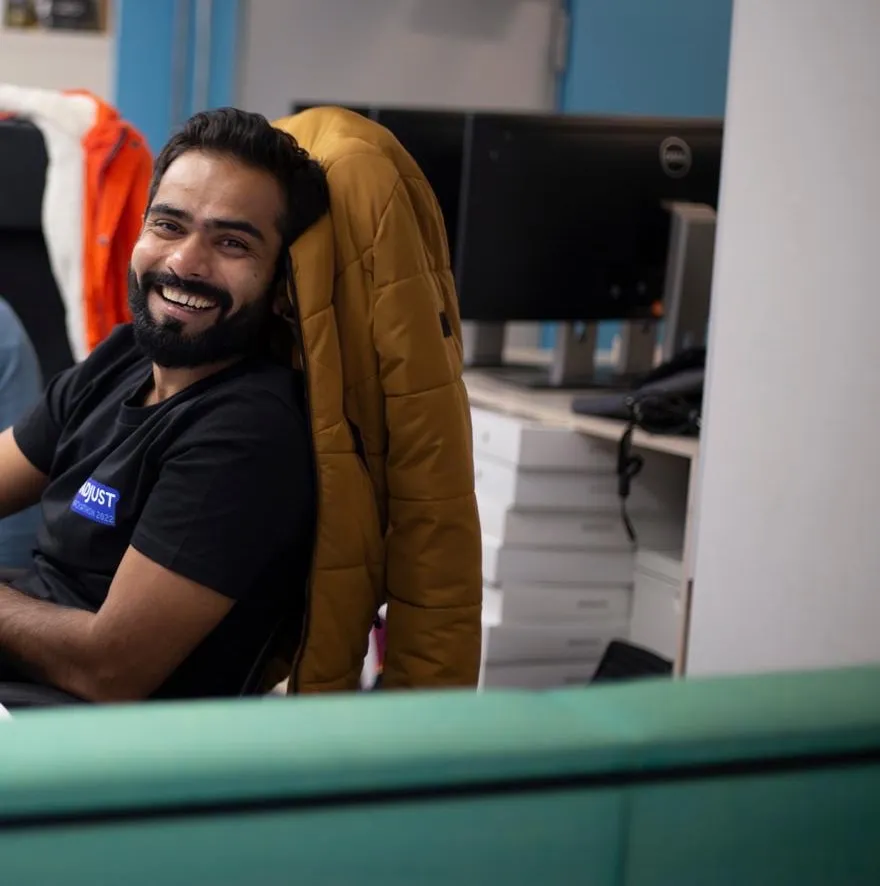
Whether that is the same thing I try to do in ordinary weeks, in how I lead, is a connection I am still testing: create the conditions, make the rule visible, and let the work be genuinely theirs.